



Benign prostatic hyperplasia (BPH), commonly referred to as prostate adenoma, is one of the most prevalent urological conditions in men. It is characterized by pathological enlargement of the prostate gland, in which hormonal imbalance—particularly an altered ratio between androgens and estrogens—plays a central role. Over time, the enlarged gland compresses the urethra, leading to significant disturbances in urinary flow.
Pathophysiology and Clinical Manifestations
When the enlarged prostate exerts mechanical pressure on the urethra, the urinary bladder must overcome increased resistance to achieve complete emptying. This chronic overload results in thickening of the bladder’s muscular wall, which gradually impairs its functional capacity.
Timely diagnosis is critically important to prevent serious urological complications, including:
-
renal dysfunction and damage
The main symptoms of benign prostatic hyperplasia include:
-
weakened urinary stream
-
sensation of incomplete bladder emptying
-
increased urinary frequency, particularly at night (nocturia)
-
pain or discomfort during urination
Diagnostic Methods for Benign Prostatic Hyperplasia
29 MHz prostate micro-ultrasound is an innovative imaging modality that provides images with up to 300%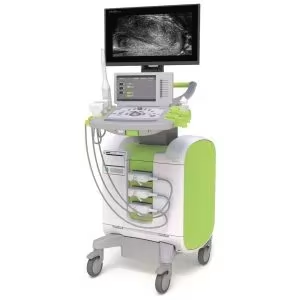 higher resolution compared to conventional ultrasound. Clinical data indicate that the diagnostic accuracy of micro-ultrasound in detecting prostate cancer is comparable to—and in some cases exceeds—that of magnetic resonance imaging (MRI).
The Karazanashvili Robotic Center is a technological leader in the region, having been the first to introduce this advanced diagnostic method and maintaining exclusive status as the only center in the Caucasus and Black Sea region where this examination is available.
Overview of Surgical Treatment Methods
Surgical treatment of benign prostatic hyperplasia has undergone significant evolution over the years. The main approaches include:
Open adenomectomy:
A traditional surgical technique characterized by a high degree of invasiveness. It is associated with substantial blood loss, prolonged postoperative and rehabilitation periods, and consequently extended hospital stays.
HoLEP (Holmium Laser Enucleation of the Prostate):
Introduced into clinical practice at the end of the last century, this method was considered a less invasive alternative. Despite its initial popularity, clinical experience has revealed certain complications, including postoperative fever, tissue damage caused by thermal energy, and the development of urethral strictures. Over time, this technique has been largely replaced by more advanced technologies, particularly robotic surgery.
Robotic Adenomectomy: The Modern Gold Standard
Robotic surgery represents the most advanced and effective treatment method for benign prostatic hyperplasia.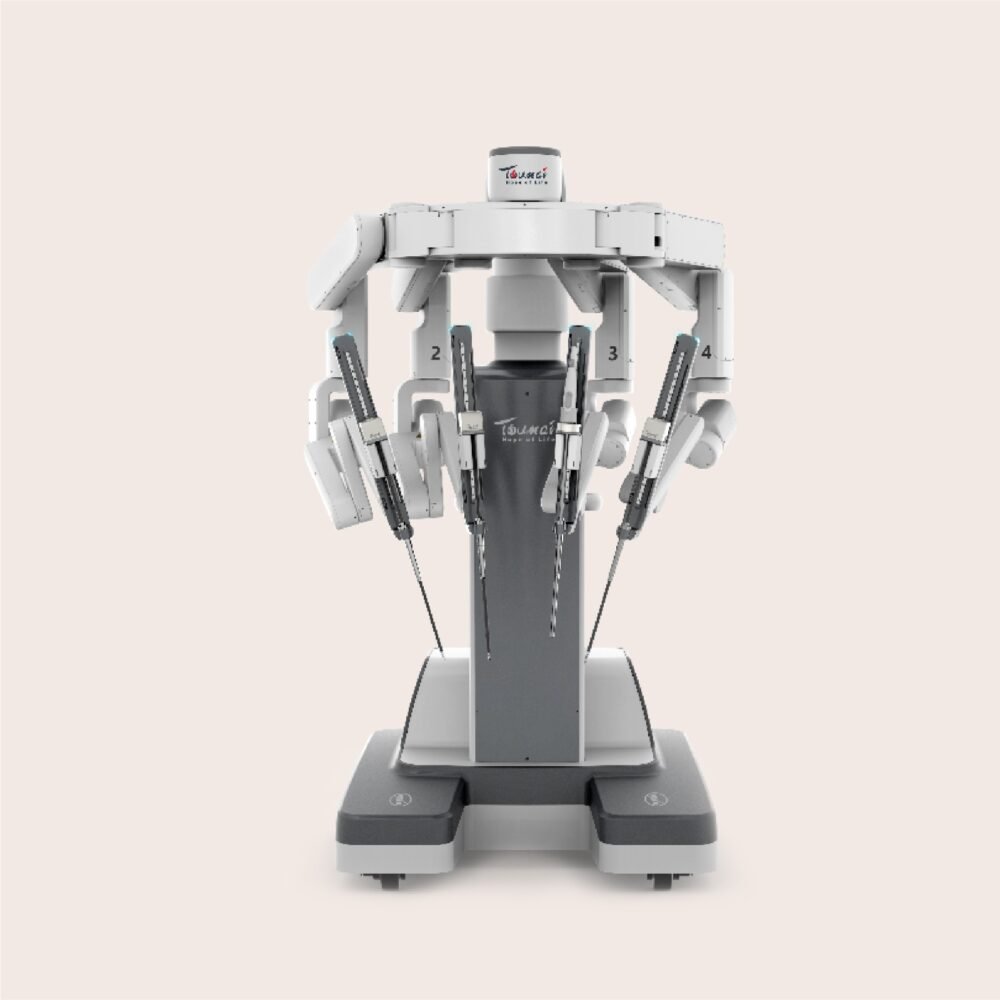 For many years, the Karazanashvili Robotic Center has successfully offered this approach, the advantages of which are indisputable:
-
Minimally invasive approach: the procedure is performed through small incisions, reducing tissue trauma.
-
Minimal blood loss: the precision and enhanced visualization of the robotic system significantly reduce the risk of bleeding.
-
Low postoperative risks: the incidence of infectious complications and postoperative pain is markedly decreased.
-
Rapid recovery: patients require only short hospital stays and quickly return to their normal daily activities.
These advantages enable patients to make informed decisions and choose the safest and most effective treatment option.
Conclusion
With its extensive experience, the Karazanashvili Robotic Center stands as a leading clinic in the Caucasus and Black Sea region. The center successfully provides robotic surgical treatment for urological, gynecological, oncological, and abdominal conditions, offering patients medical care that fully meets international standards.